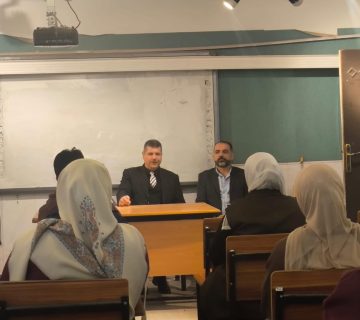
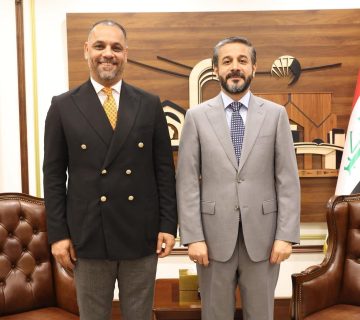
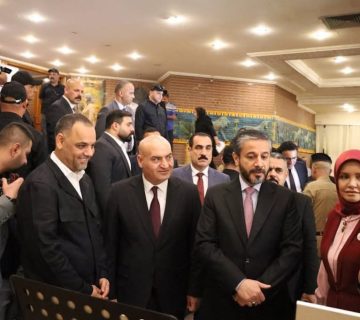
In a step toward strengthening cooperation between academic institutions and national media organizations, Professor Dr. Mudhad Al-Asadi, Dean of the College of Fine Arts at the University of Baghdad, welcomed Mr. Karim Hammadi, President of the Iraqi Media Network, to discuss prospects for joint cooperation and explore ways to enhance the participation of the College’s graduates in the network’s artistic and media institutions, in line with the evolving demands of the labor market.
The meeting addressed the educational outcomes of the College of Fine Arts and the potential for utilizing its artistic and creative disciplines to provide the network’s institutions with qualified professionals. The discussions also explored opportunities to expand cooperation by drawing on the academic expertise and practical skills of the College’s graduates, thereby strengthening the alignment between higher education outcomes and the needs of media institutions and contemporary artistic production.
Both parties also discussed the artistic and creative contributions of Iraqi Media Network employees who graduated from the College of Fine Arts. Particular emphasis was placed on their role in enriching artistic and media productions through their specialized expertise, aesthetic perspectives, and academic knowledge. These contributions reflect the College’s continued role in preparing skilled artistic and creative professionals who contribute to the development of Iraq’s media landscape and the improvement of its productions.
The visit underscores the importance of establishing effective partnerships between academic and media institutions. Such partnerships extend beyond creating employment opportunities for graduates to harnessing their capabilities, developing their professional skills, and strengthening their creative contributions. This approach reinforces the position of the College of Fine Arts as a vital source of artistic and media talent while opening broader opportunities for integrating university education outcomes with the needs of national institutions.